Managing Diabetes
What is Diabetes and Why Should I Care?
Diabetes is a disease where glucose in the blood is higher than normal. Glucose is a kind of sugar that comes from foods. Foods that have glucose in them include carbohydrates. Carbohydrates are foods like apples, potatoes, and other vegetables, fruits, or dairy.
Blood glucose that is too high is called hyperglycemia. Glucose is carried through the blood and is used for energy. Our bodies keep our glucose in a good range by using or storing it. The body is normally able to control blood glucose levels to keep it within a normal range. The body does this by using a hormone called insulin. Insulin is released by the pancreas. However, a person with diabetes has trouble making or using insulin. When this happens, blood glucose levels rise. When glucose levels rise, that is when hyperglycemia happens.
- In Type 1 diabetes, there is no insulin, so glucose does not get into the cell. This person needs to take insulin.
- In Type 2 diabetes, the insulin does not work well. Some glucose gets in the cell, but some does not. This person may or may not need to take insulin.
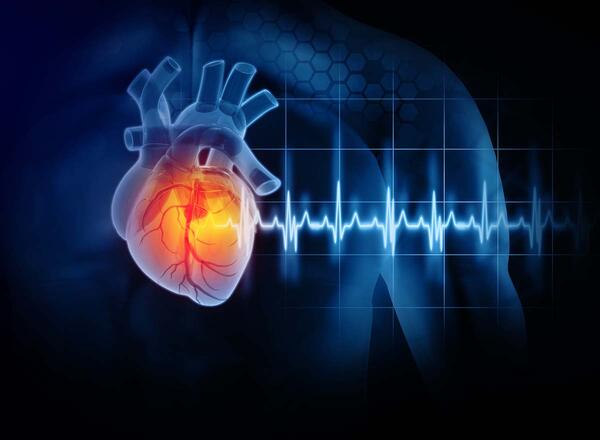
Atherosclerotic cardiovascular disease (ASCVD) is the leading cause of morbidity and mortality for individuals with diabetes and the largest contributor of direct and indirect cost of diabetes. ASCVD is defined as coronary heart disease, stroke, and peripheral arterial disease (PAD).
It is very important for people who have diabetes to make heart-healthy food choices because of their increased risk for cardiovascular complications. When compared to people without diabetes, people with diabetes have:
- Twice the risk of developing cardiovascular disease
- Twice the risk of having a heart attack
- A greater chance of having a second heart attack
- A greater chance of dying from a heart attack
- Four times the risk of having a stroke
Women with diabetes are particularly susceptible to these complications, and have a greater risk of death from heart attacks and strokes than men with diabetes
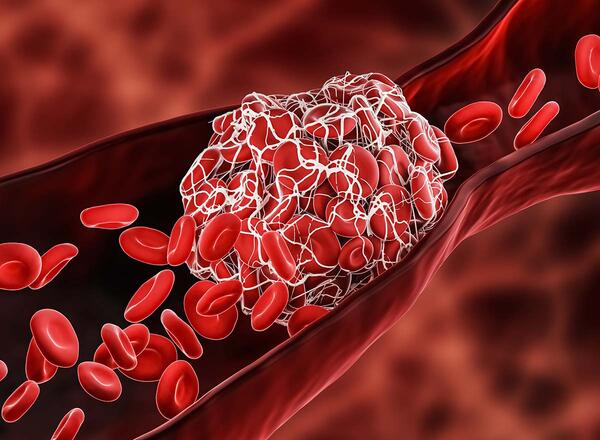
It is not completely known how diabetes influences the cardiovascular system. However, high blood glucose and high blood pressure in people with diabetes commonly cause changes in blood vessels. Research indicates that a rupture of a weakened areas of plaque within blood vessels can lead to coronary or cerebral thrombosis (blood clot). These changes may explain why people with diabetes have such high rates of heart disease, stroke, and poor circulation in the legs and feet. This also may be one reason for the high rates of impotence in men with diabetes.
Experts recommend that all people with diabetes should try to keep their blood glucose and blood pressure within their target range and should try to follow heart-healthy patterns of eating. Cardiovascular risk factors should be assessed at least annually for all patients with diabetes.
Dig Deeper

Understanding Diabetes

Managing Your Diabetes

Exercise and Diabetes
Medical Issues with Diabetes

Food Choices and Diabetes